Introduction
In a globe where emergencies can strike anytime, the capacity to react successfully can suggest the distinction between life and death. For numerous, the thought of running into a clinical emergency produces sensations of anxiety and uncertainty. Nonetheless, I located that registering in a first help course transformed my viewpoint entirely. This short article tells my individual trip of building confidence through CPR Courses Near Me emergency treatment training, concentrating on just how discovering skills such as CPR not just equipped me to manage emergency situations yet additionally instilled a newly found feeling of confidence.
Understanding the Importance of Emergency Treatment Training
Why Is First Aid Essential?
First help is frequently the first reaction to a medical emergency before expert help arrives. It includes different strategies aimed at preserving life, preventing damage, and promoting recuperation. Yet why should everybody take into consideration taking a first aid and mouth-to-mouth resuscitation course?
Immediate Feedback: In situations like cardiac arrest, every second counts. Understanding CPR can save lives. Empowerment: The knowledge got from first aid training encourages people to act confidently throughout emergencies. Community Security: Educated individuals can add favorably to their communities by offering immediate assistance.
My First Hesitation
When I first considered registering in a CPR course, I felt hesitant. Could I truly handle the gravity of real-life emergencies? Suppose I made errors? These questions plagued my mind, however they additionally encouraged me to look for solutions with training.
The Very first step: Joining in a First Aid Course
Choosing the Right Course
Selecting an appropriate first aid course is critical for obtaining https://zanezuqd287.bearsfanteamshop.com/hltaid012-day-care-first-aid-training-a-needs-to-for-new-parents pertinent skills. Here's what you must take into consideration:
- Certification: Ensure the course supplies an acknowledged certification upon completion. Curriculum: Evaluation subjects covered-- from fundamental first aid to sophisticated CPR techniques. Instructor Credentials: Search for seasoned teachers with reliable backgrounds.
I ultimately chose a trustworthy company offering detailed training that included both academic understanding and useful sessions.

Preparing for Class
As I planned for my first class, I experienced combined feelings. Excitement danced with concern as I considered what lay ahead.
Gathering Materials: I assembled required products like note pads and pens but also left room for an open mind. Setting Goals: My key objective was straightforward: finish the course feeling certain in my abilities.The Course Experience: Knowing Life-Saving Skills
Engaging Concept Sessions
The first days were invested immersed in engaging theoretical conversations concerning emergency methods and human anatomy related to emergency treatment practices.
Key Topics Covered:
- Basic Life Support (BLS) How to make use of an Automated External Defibrillator (AED) Responding to choking incidents Recognizing signs of stroke or heart attack
These sessions laid the groundwork for recognizing what we would later on exercise hands-on.
Practical Hands-On Training
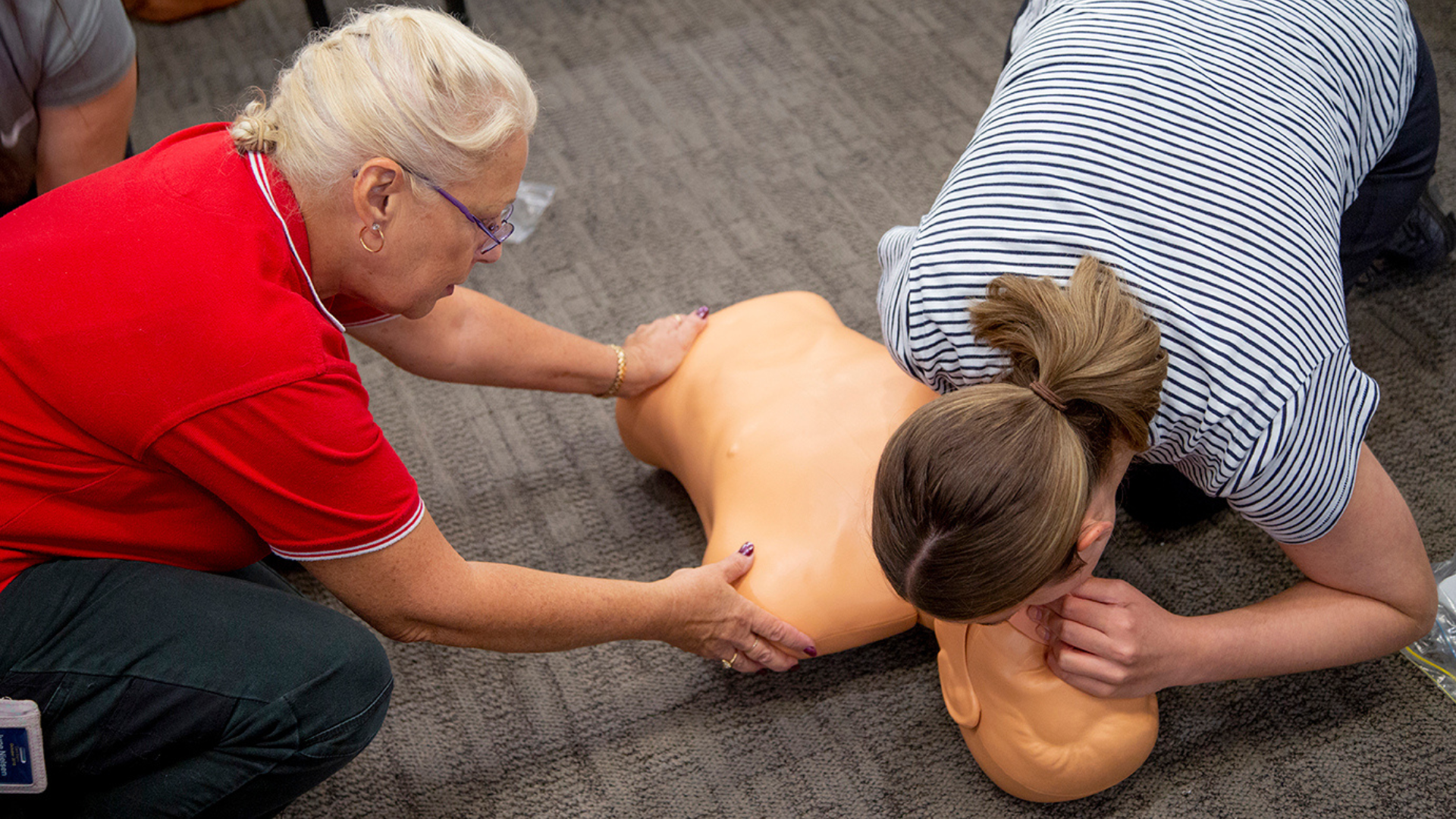
Nothing compared to the rush of practicing mouth-to-mouth resuscitation techniques on manikins or replicating emergency scenarios with classmates.
Building Self-confidence Via Real-Life Scenarios
Simulation Drills: Dealing with Anxieties Head-On
One of one of Learn here the most impactful elements of my training involved simulated drills made to mimic real-life emergencies. Just how did these experiences shape my positive self-image?
Types of Drills:
- Responding to unconscious individuals Managing blood loss wounds Handling sensitive reactions
During these drills, I frequently felt anxious yet invigorated due to the fact that every circumstance forced me out of my convenience area while giving invaluable feedback from teachers and peers alike.
Overcoming Anxiety and Doubt
Initially overwhelmed by uncertainty and anxiousness, each effective drill tried those feelings:
Positive Support: Encouragement from teachers aided me acknowledge my potential. Peer Assistance: Sharing experiences with schoolmates promoted sociability that eased worries regarding failure.Certification Day: A Milestone Achieved
Preparing for the Last Assessment
As we came close to certification day for our first aid certificate, anticipation made within me-- suppose I didn't pass? Actually, nerves belonged to the process; they showed just how much this indicated to me!
Study Tips:
- Review notes thoroughly Practice abilities repeatedly Engage in team study sessions for support
With preparation behind me, it was time for assessment day-- a blend of written examinations and sensible demos waited for us.
Celebrating Success
I bear in mind standing proud after receiving my emergency treatment certificate-- an acknowledgment not simply of passing but of development! That minute strengthened both skills in handling emergencies and belief in myself.
Applying Skills Beyond Training: Real-Life Applications
Volunteering Opportunities
After completing my training, I sought methods to apply what I 'd found out by offering with neighborhood organizations focused on neighborhood health initiatives.
Participating in health fairs enabled me enough possibilities to show basic first-aid skills. Collaborating with skilled volunteers better boosted my self-confidence as we took on different situations together.Family Events: Being Prepared
Whether it was household celebrations or outside experiences, having understanding concerning first aid came to be instrumental in guaranteeing safety and security among liked ones:
Educating relative about recognizing indicators of distress boosted collective preparedness. Using skills learned during training gave me tranquility understanding that we can handle small injuries effectively if needed.Reflections on Structure Confidence Via Emergency Treatment Training
Personal Growth Journey
Engaging in this journey has actually been transformative! The shift from uncertainty concerning managing emergencies transformed right into conviction fueled by knowledge and sensible experience needed when faced with situations head-on!
Enhanced self-worth became obvious even past medical scenarios; everyday challenges appeared much less daunting too! Understanding that every person has their struggles grown empathy towards others experiencing dilemmas themselves-- sharing expertise becomes vital here!FAQs Regarding Emergency treatment Training
What is included in a common emergency treatment course? A basic first aid course typically covers subjects such as basic life assistance (BLS), CPR methods, wound management, and responding suitably during different emergencies like choking or sensitive reactions.
How long does it require to finish a CPR course? Many CPR courses variety from 4 hours as much as 8 hours depending upon whether they're fundamental or advanced qualifications; some may offer increased courses too!
Is certification needed for all tasks entailing very first aid? While not every task mandates official qualification such as getting a first aid certificate, numerous industries-- consisting of medical care-- choose skilled employees who possess valid certifications because of liability concerns.
Can any individual take a first aid and CPR course? Absolutely! Individuals aged 12 years or older are usually encouraged to sign up regardless of previous experience-- every person take advantage of being prepared!
How usually must one renew their first-aid certification? Certifications typically need revival every two years; nevertheless, some organizations recommend annual refreshers based upon skill retention levels observed over time!
What are some typical mistaken beliefs regarding carrying out CPR? A prevalent myth recommends "just skilled experts must do mouth-to-mouth resuscitation." In truth though-- laypersons educated through licensed programs are equipped & & motivated involve instantly till aid arrives!

Conclusion
Reflecting upon this whole trip encapsulated within "Building Self-confidence Via Emergency Treatment Training: A Personal Journey," it's clear that involving with this vital capability has far-ranging ramifications beyond just saving lives-- it fosters resilience amid unpredictability while cultivating concern towards others facing difficulties themselves! If you're considering embarking upon your own path towards becoming licensed-- do not wait! Study learning today-- you may simply discover on your own amazed at just how capable you really are!